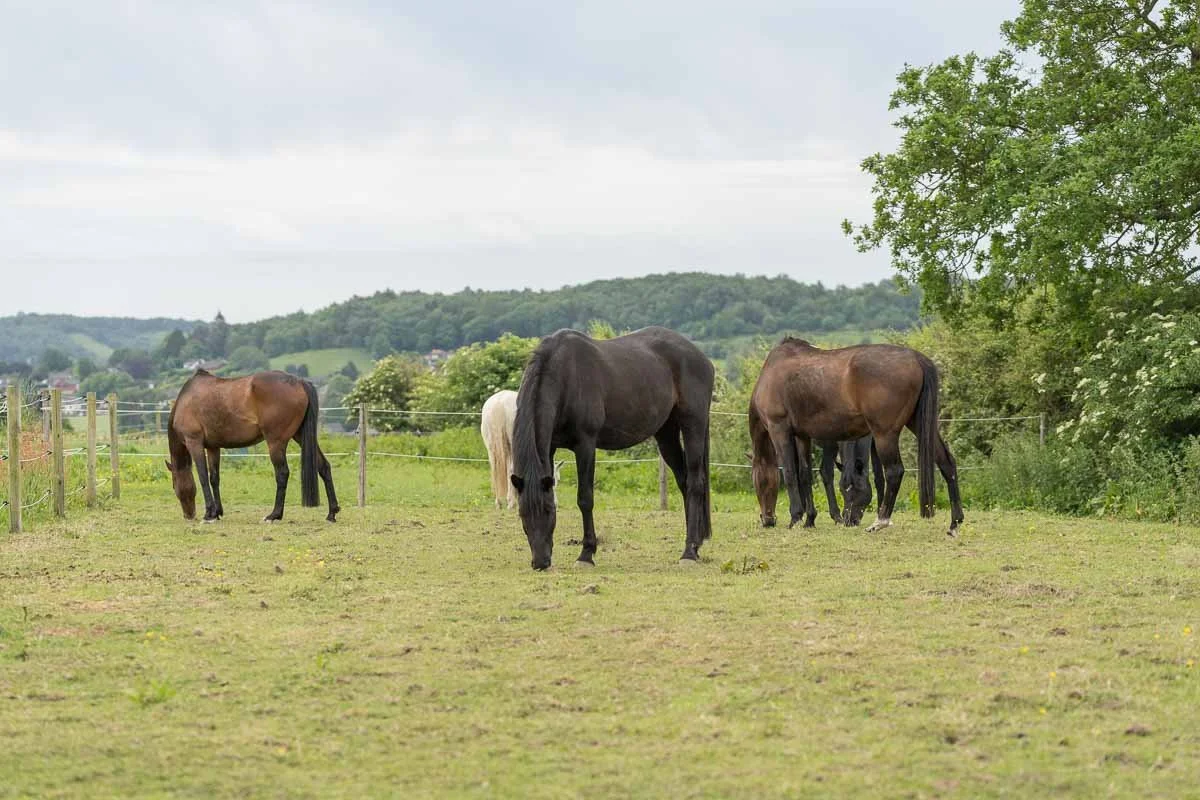
Leadership training rarely changes behaviour because it adds knowledge, and under pressure a leader's behaviour is driven by unconscious and automatic patterns or habits. Knowing what good leadership looks like does not stop a leader reverting to an old pattern under stress. What changes behaviour is practising a different response, getting immediate feedback, and repeating it until the new pattern holds.
Why doesn't leadership training change behaviour?
Most leadership development works on what people know. A leader attends a programme, understands the model, agrees with it, and goes back to work able to describe good leadership in detail. Then the pressure returns, results drop, a difficult board meeting is days away, and the same leader does the thing they always did under pressure: takes back control, solves a problem their team should be handling, or goes silent when they should speak.
The knowledge was never the problem. The gap is between what a leader understands and what they actually do when they are stressed, tired, or uncertain. That gap is behavioural. Programmes built on psychometrics, cognitive models, and off-sites keep filling the head while the behaviour under pressure stays exactly where it was, which is why so many Heads of Learning and Development tell me they cannot show a return on their leadership spend.
I recently asked an HR leaders: what have you tried that worked? She paused for an uncomfortably long while then told me what they'd done that some people liked, others didn’t and behaviours didn’t change.
What drives behaviour under pressure?
The majority of a leader's behaviour is non-verbal and unconscious, built into patterns over years, and a leader falls back on those patterns precisely when the stakes are highest. A leader who believes they empower their team says all the right words, and their non-verbal behaviour tells the team something different. The team reads the behaviour rather than the words, and keeps bringing every decision back to the leader. The leader then concludes the team will not step up, when the team is reading an accurate signal that the leader won’t get out of the way. Nobody wants to talk about it because there is blame on both sides.
You can’t change a pattern you can’t see. Most leaders believe they already have self-awareness, and everyone has blind spots. This is the point at which knowledge stops being useful and feedback becomes essential. But the problem with feedback in the workplace is that no matter how well we wrap it up constructively, we’re basically telling people they are wrong and need to change. That makes leaders defensive. In addition, they don’t think they are “aggressive/insert word here”, it’s a pattern that has worked to a point so they don’t want to change and they think everyone else is the problem. Plus, they don’t know how and it’s not safe to practise new behaviours through trial and error in the workplace.
What changes behaviour instead?
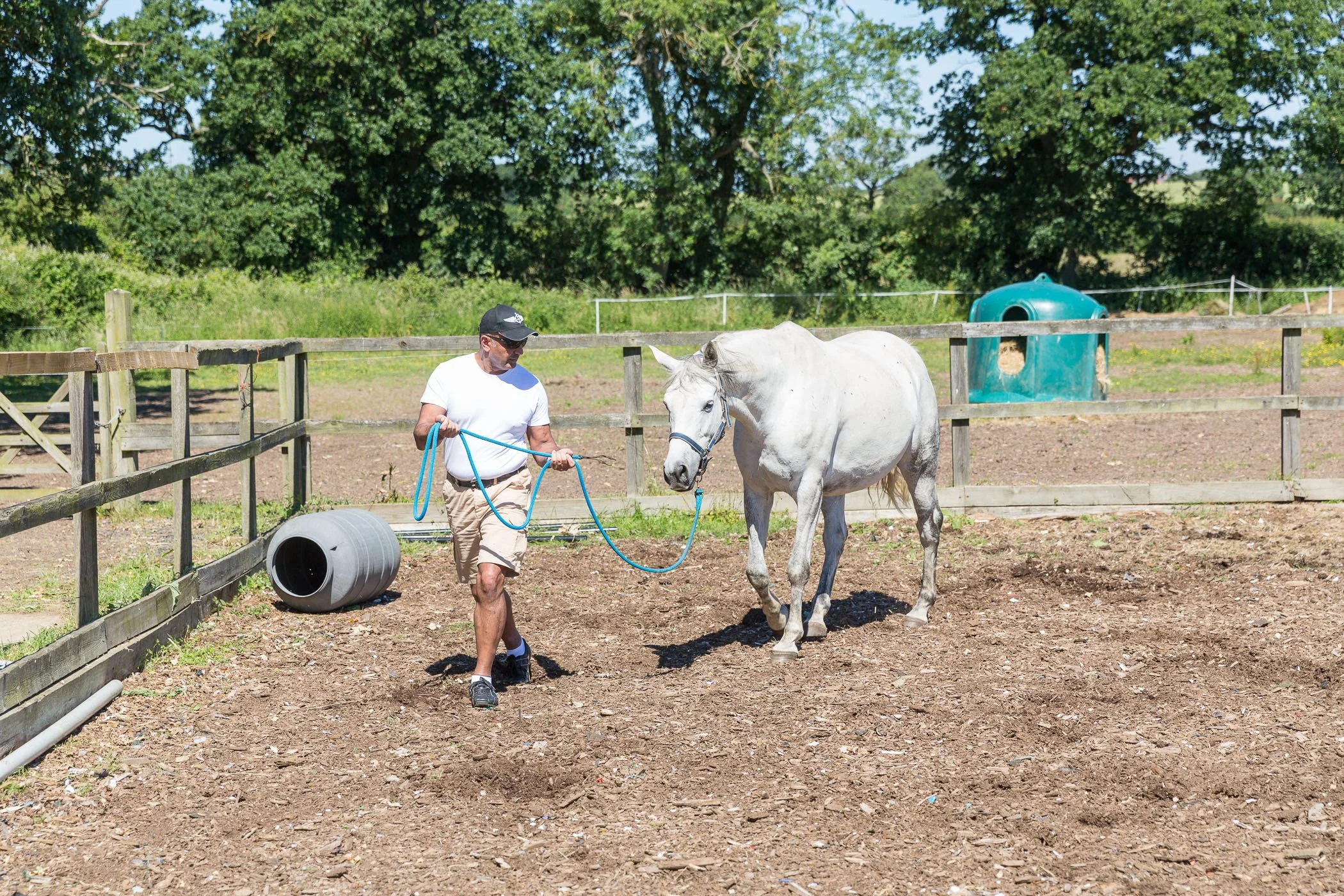
Behaviour changes through three things happening together: a real moment with something at stake, immediate and honest feedback, and repetition until the new response becomes the default. This is why I work with horses. As prey animals, they respond to the non-verbal behaviour and energy of the person in front of them, and they give feedback no human facilitator can replicate, because they have no interest in being polite and they have no agenda. They don’t care if you change or not. They just respond to what’s presented.
When a leader tightens up, the horse stops. When the leader grounds themselves and gets clear about what they want, the horse walks with them. The feedback is instant, physical, and impossible to argue with.
That moment of feedback is a pattern interrupt. The leader sees their own default behaviour in real time, tries something different, and feels the result change in front of them. In the Understanding Model, this builds self-awareness, relational awareness, and awareness of the wider field, in that order. One interrupt is a revelation. The change sticks when the new behaviour is practised, which is why the experiential day makes it stick because we get leaders to praise the behaviour they are struggling with over and over.
What does this look like in practice?
A leader called Simon could not get a horse to move and was suppressing his frustration, certain nobody could tell. The horse stood with her eyes shut and refused to engage. When Simon grounded his feet, breathed from the diaphragm, and released the tension, the horse let out a huge sigh and walked willingly with him. The whole change took two minutes, and Simon had been receiving the same feedback from his team for years without hearing it.
That is the pattern interrupt. The horse made visible what a decade of appraisals had not, and Simon practised the different behaviour in his body rather than agreeing with it in his head.
What results does behaviour change produce?
When leaders change how they behave under pressure, the results are commercial and measurable. A loss-making division returned to profit within three months of a one-day workshop. Three sales managers who had missed their targets for ten months all met them the following month and sustained that performance for five months. A motor retailer pilot expanded from one site to further stores. A CEO stuck in operational detail became strategic enough to sell his business within a year. Every one of these came from changing behaviour. Knowledge alone would not have produced any of them.
Where to start
If your leaders know what good leadership looks like and still revert under pressure, what they are missing is sustained behaviour change. Another cognitive programme will add to what they already know and leave the behaviour where it is. The OPUS Method is a six-month programme of six workshops with coaching between sessions, built for Heads of L&D and HR leaders who want learning that holds and results in promotions. Prices from £7500 per person for six months. Book a consultation to talk through whether it fits your leaders.
Jude Jennison is the Founder of Leaders by Nature, an executive leadership and team coaching business working with blue-chip organisations and fast-growing entrepreneurial businesses. She helps CEOs and HR leaders change how leaders and teams behave under pressure and in uncertainty, creating pattern interrupts with a herd of horses who reveal the nonverbal behaviours that drive performance. A former IBM leader with a $1 billion budget, she has developed more than 5,000 leaders and written three books. She is also the creator of Ask Opus, a critical thinking tool that enables leaders to change behaviours. Ranked in the Thinkers360 top three globally for change management and leadership, her clients report results including a loss-making division returned to profit within three months, sales teams exceeding targets, and senior teams delivering a year ahead of plan.